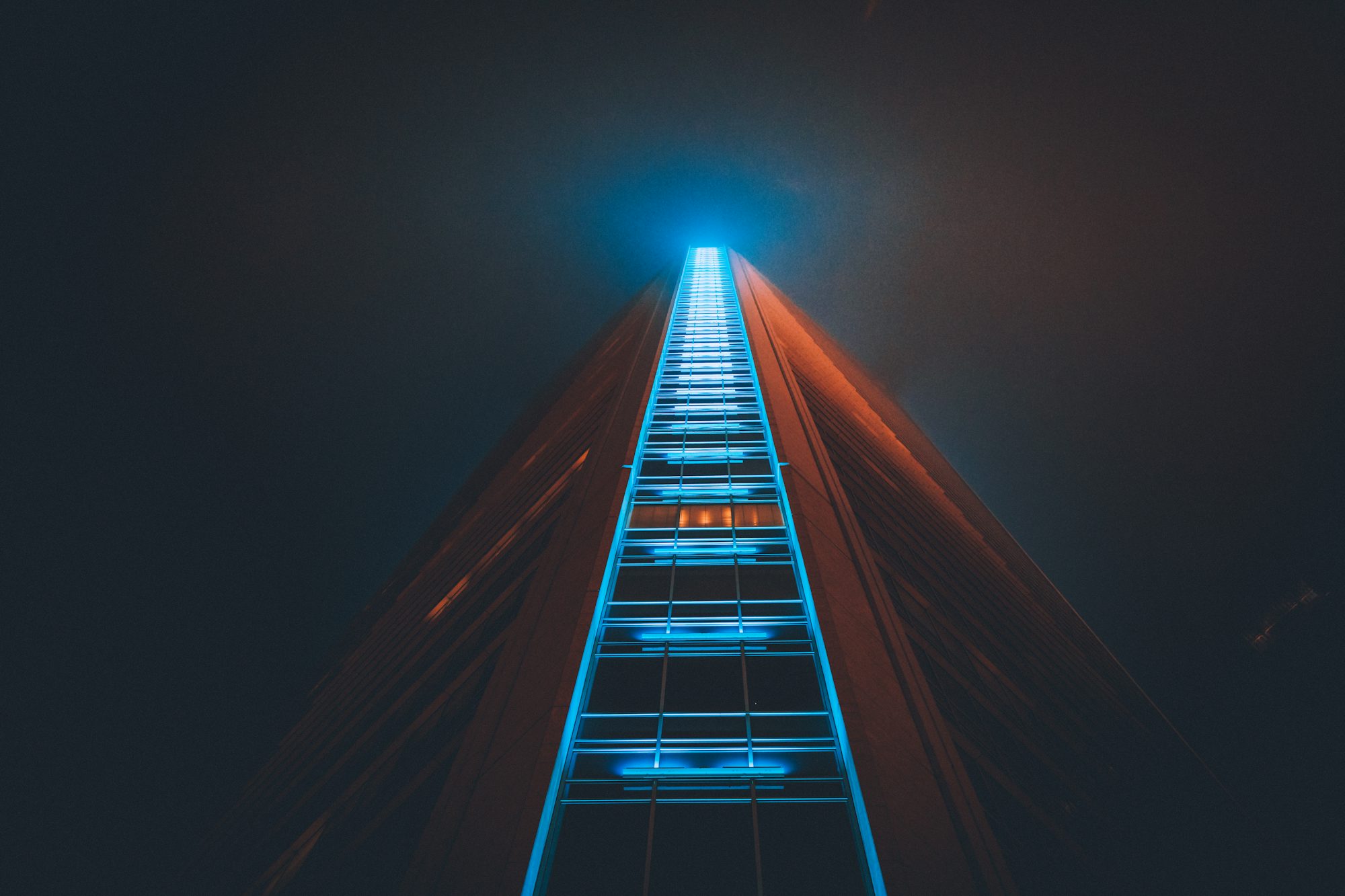
The Evolution of Skyscrapers: Architectural Wonders of Modern Cities
This article explores the evolution of skyscrapers, their architectural significance, and their impact on urban development and culture.Skyscrapers have long captured the imagination, representing both the ambitions of architects and the aspirations of urban societies. As vertical cities, these architectural wonders redefine urban spaces, merging form and function in a way that profoundly impacts city dynamics. From their origins in the late 19th century to the present, skyscrapers have evolved in design, purpose, and sustainability, shaping the skylines and cultures of cities worldwide. The genesis of skyscrapers can be traced back to the late 1800s, with the advent of steel-frame construction and the elevator. The Home Insurance Building in Chicago, completed in 1885, is often credited as the first true skyscraper, standing at ten stories tall. This innovative structure demonstrated that buildings could rise higher than ever before, paving the way for future developments. The combination of new materials and technologies allowed architects to create taller, more durable structures, leading to a construction boom that characterized the early 20th century. Iconic skyscrapers such as the Empire State Building and the Chrysler Building emerged during this period, showcasing the Art Deco style and solidifying New York City as a global center of commerce and culture. The architectural significance of these early skyscrapers extends beyond their height; they represent a blend of artistic vision and engineering prowess. These structures not only functioned as office spaces but also embodied the spirit of their times, serving as symbols of progress and prosperity. As cities expanded and populations grew, the demand for vertical living solutions increased. Residential skyscrapers began to gain prominence, offering high-density housing options in urban centers. Buildings like the Wilshire Royale in Los Angeles and the 432 Park Avenue in New York City illustrate how residential skyscrapers provide luxurious living spaces while maximizing land use. These high-rise residences not only accommodate a diverse range of residents but also contribute to the vibrancy of their neighborhoods. With amenities such as gyms, pools, and communal areas, residential skyscrapers enhance the quality of urban life, creating a sense of community among residents. The role of hotel skyscrapers in urban environments cannot be overlooked, as they cater to travelers and business professionals alike. Structures like the Ritz-Carlton and the Burj Al Arab redefine hospitality by offering world-class accommodations in stunning architectural settings. These skyscrapers are designed to provide more than just a place to stay; they often feature restaurants, meeting spaces, and recreational facilities, making them self-contained destinations. The economic impact of hotel skyscrapers extends beyond their walls, as they attract tourism and generate revenue for local economies. The concept of mixed-use skyscrapers has emerged as a groundbreaking solution to the challenges of urban living. By combining residential, commercial, and recreational spaces within a single structure, mixed-use developments foster community interaction and promote sustainable living. Projects like the Hudson Yards in New York and the Canary Wharf in London exemplify how these integrated spaces create vibrant urban environments. Residents can live, work, and play all within the same vicinity, reducing the need for extensive commuting and promoting a walkable lifestyle. This approach not only enhances the quality of life for residents but also attracts businesses and investments, revitalizing urban areas. As cities grapple with the challenges of climate change and urban sprawl, the need for sustainable design in skyscrapers has never been more pressing. Green skyscrapers prioritize energy efficiency, use of sustainable materials, and integration of renewable energy sources. Structures like the Bosco Verticale in Milan demonstrate how vertical gardens and eco-friendly technologies can transform urban living, promoting biodiversity while reducing the ecological footprint. These buildings not only appeal to environmentally conscious tenants but also set new standards for sustainable urban development. Observation decks in skyscrapers offer unique vantage points that draw visitors from around the globe. Iconic structures like the CN Tower in Toronto and the Tokyo Skytree not only provide breathtaking views but also serve as cultural landmarks that enrich the urban experience. The economic impact of these observation decks extends to local businesses, as tourists often explore nearby attractions, contributing to the financial vitality of the area. Historic skyscrapers also play a vital role in urban culture, embodying the architectural history and identity of cities. Buildings such as the Woolworth Building and the Flatiron Building in New York not only house modern businesses but also serve as reminders of a city’s rich heritage. Preserving and repurposing these historic structures can stimulate revitalization efforts, attracting investment and tourism while honoring the legacy of architectural innovation. Supertall skyscrapers, defined as structures exceeding 300 meters, represent the pinnacle of architectural ambition and engineering excellence. The Burj Khalifa in Dubai and the Shanghai Tower showcase the extraordinary heights achievable with modern technology. These skyscrapers serve as symbols of economic power and innovation, attracting international attention and investment. However, the challenges of constructing such monumental structures include addressing sustainability and community integration, requiring careful planning to ensure they benefit both the economy and the environment. As cities continue to evolve, the integration of skybridges and linked skyscrapers offers innovative solutions for urban connectivity. By connecting multiple towers, these structures promote collaboration and efficient use of space, fostering a sense of community among residents and businesses. Financially, linked skyscrapers can attract more companies, enhancing the overall functionality of urban spaces. In conclusion, skyscrapers are more than architectural feats; they are integral to the evolution of urban living and economic development. By understanding the diverse roles that different types of skyscrapers play in shaping cities, we can appreciate their significance as vital contributors to the cultural and economic fabric of modern life. As urban environments continue to transform, skyscrapers will remain at the forefront of innovation, acting as catalysts for growth and change in our cities.
Elena Carter
16/09/2025